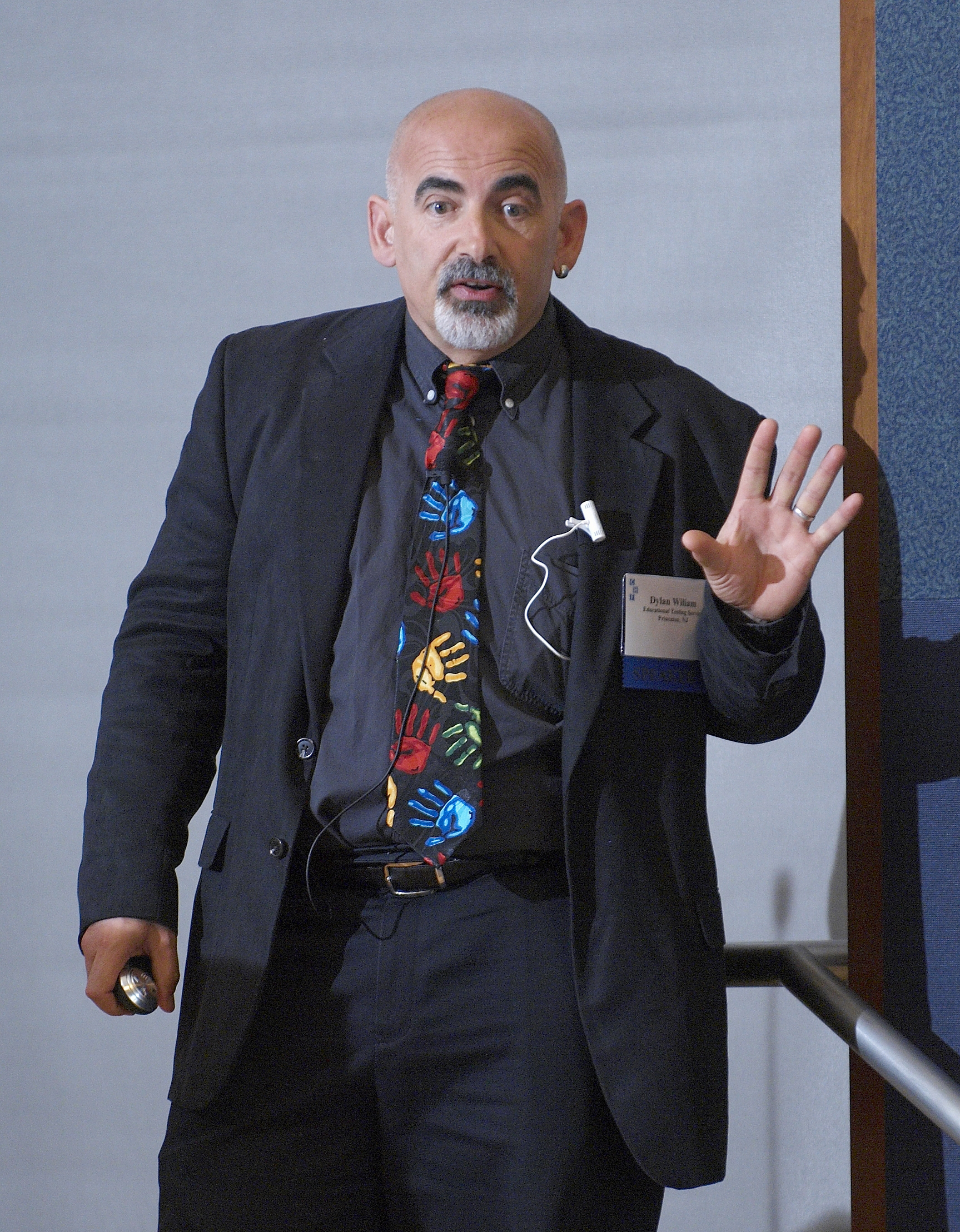
Dylan Wiliam 2026
Monday 26th: What every teacher needs to know about artificial intelligence
This workshop will explore how large language models and other forms of artificial intelligence will change what education is for, and what their rapid development means for schools, teachers, and students. The workshop will begin by outlining how AI will change the world of work and how those changes will impact what schools need to do to ensure young people can flourish and thrive. The workshop will go on to explore how AI can reduce administrative workload, support lesson design, and help students manage their own learning. The session considers the major implications of AI for assessment, including the decline of AI-detection and the expansion of authentic assessment and will address key ethical challenges—bias, surveillance, and the risks for neuro-diverse and minority students—and discuss the difficulty of scrutinizing opaque AI systems. The workshop concludes by exploring how education’s purposes may evolve as AI transforms the nature of work.
Tuesday 27th: Principled Curriculum Design
Effective curriculum design is challenging because a curriculum specifies both what students should learn, and how they should learn it, and so involves integrating social values with psychology and pedagogy. In this interactive workshop, participants will learn why to optimize student learning, curricula need to be balanced, focused, rigorous, vertically integrated, coherent, appropriate and relevant. In addition, curriculum design needs to take into account what we know about how human minds work, the nature of expertise, and how students learn, and so must integrated key insights from cognitive psychology, including research on memory, and cognitive load theory. Ultimately, any curriculum is a compromise among conflicting imperatives, but by being clear about the key principles, those involved can design curricula where the trade-offs are the result of discussion of priorities, rather than emerging as unintended consequences of uninformed decisions made during the development process.
Wednesday 28th: Embedding Formative Assessment
This workshop explores how minute-to-minute and day-by-day formative assessment can significantly improve student learning. The workshop begins by clarifying what formative assessment is—and isn’t—and introduces practical techniques for eliciting evidence of learning, improving questioning, and providing feedback that leads to action. Teachers will also learn strategies for helping students take greater responsibility for their learning through clear learning intentions, success criteria, and purposeful peer- and self-assessment. Recognizing that embedding formative assessment requires professional development based on changing classroom practice, the day concludes with how school-based teacher learning communities can support sustained, incremental changes in classroom practice.
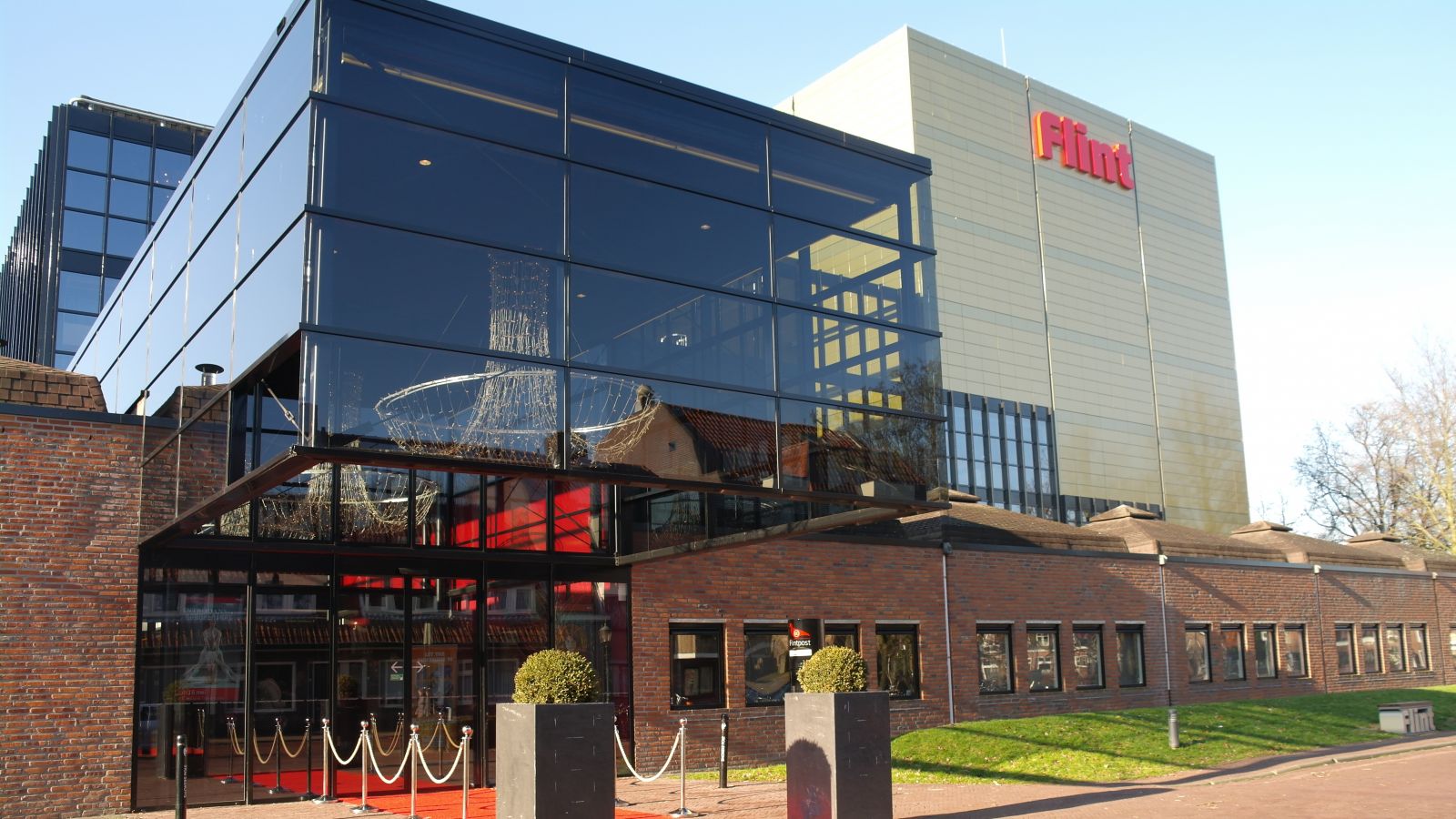
Locatie
Theater De Flint
Coninckstraat 60
Amersfoort
Dylan Wiliam 2026
 Registratiewebsite voor Dylan Wiliam 2026
Dylan Wiliam 2026secretariaat@toetsrevolutie.nl
Dylan Wiliam 2026secretariaat@toetsrevolutie.nlhttps://www.aanmelder.nl/171670
2026-10-26
2026-10-28
OfflineEventAttendanceMode
EventScheduled
Dylan Wiliam 2026Dylan Wiliam 20260.00EUROnlineOnly2019-01-01T00:00:00Z
Nog niet bekendNog niet bekend
eenvoudig evenementen organiseren
aanmelder.nl is de software partner voor evenementen.
Klik hier om de software te ontdekken.