
Get to Know the Alumni
------------------------------------------------------------------
Anne Bach
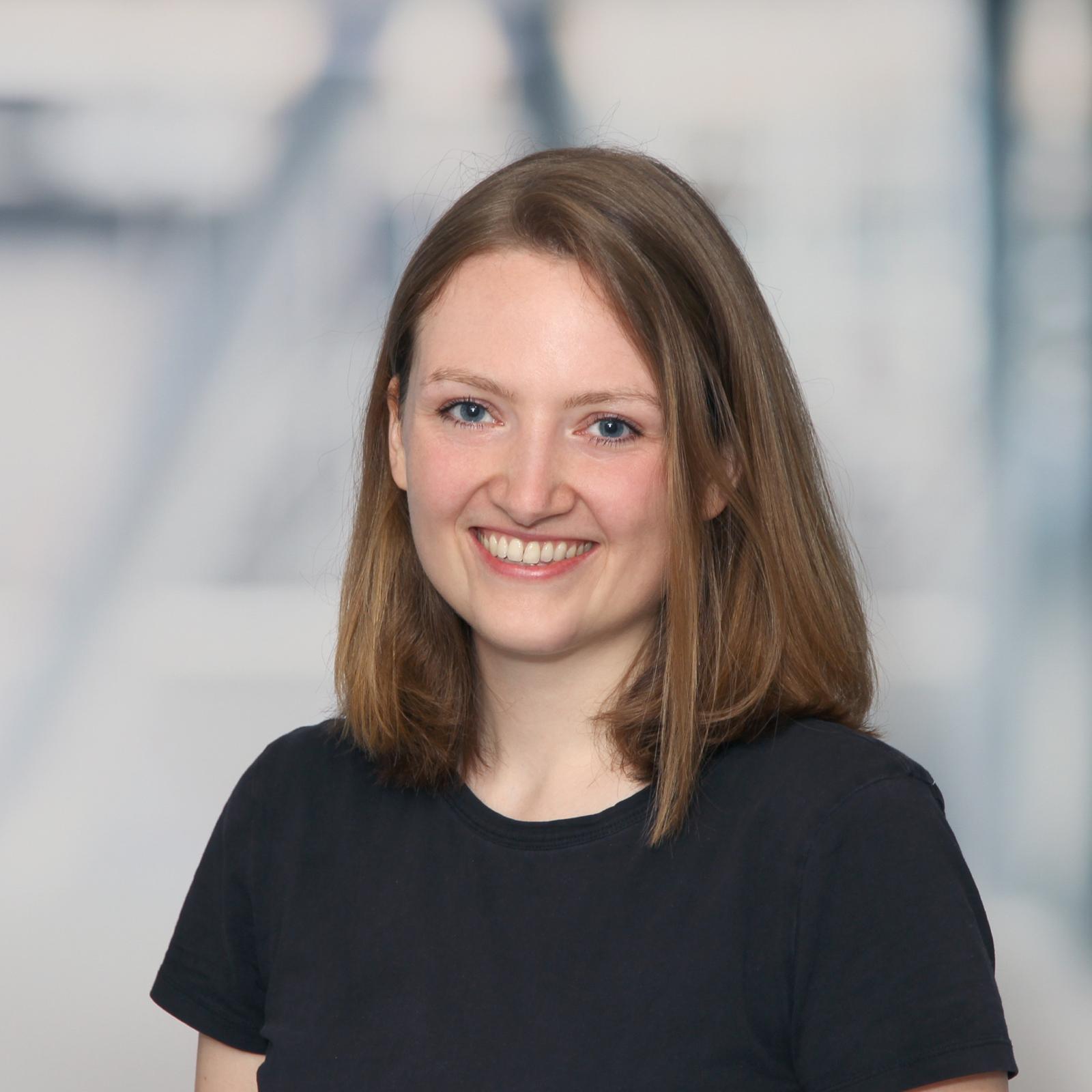
I work as a psychologist at the university clinic of Düsseldorf in Germany. My role is to provide psychological support to people with a terminal illness and their relatives. This means that I am visiting patients in the clinic, either on our palliative station or in other areas of the hospital, for example the intensive care units. My goal is to be there for people in difficult times and help eas the emotional pain that can include anxiety, anger and hopelessness. For the previous 5 years I has a similar job in the university clinic of Tübingen, where I also conducted research.
My background in psychology and cognitive neuroscience helped me to develop the basic psychological skills I need in my current job, as well as to conduct research at a university clinic. Specifically, the master's taught me how to develop study designs, collect data, analyze, and interpret. An understanding of brain function is helpful in working with people who have brain tumors or other neurological impairments due to disease. Studying psychology in general gave me the tools to work with and understand people who are in difficult situations.
In my free time I enjoy being with my partner, friends, and family. I love being outside on a sunny day, no matter if it is warm or cold. My job shows me every day how important it is to live in the moment, so that's what I am trying to do.
------------------------------------------------------------------
Astrid Bastiaens
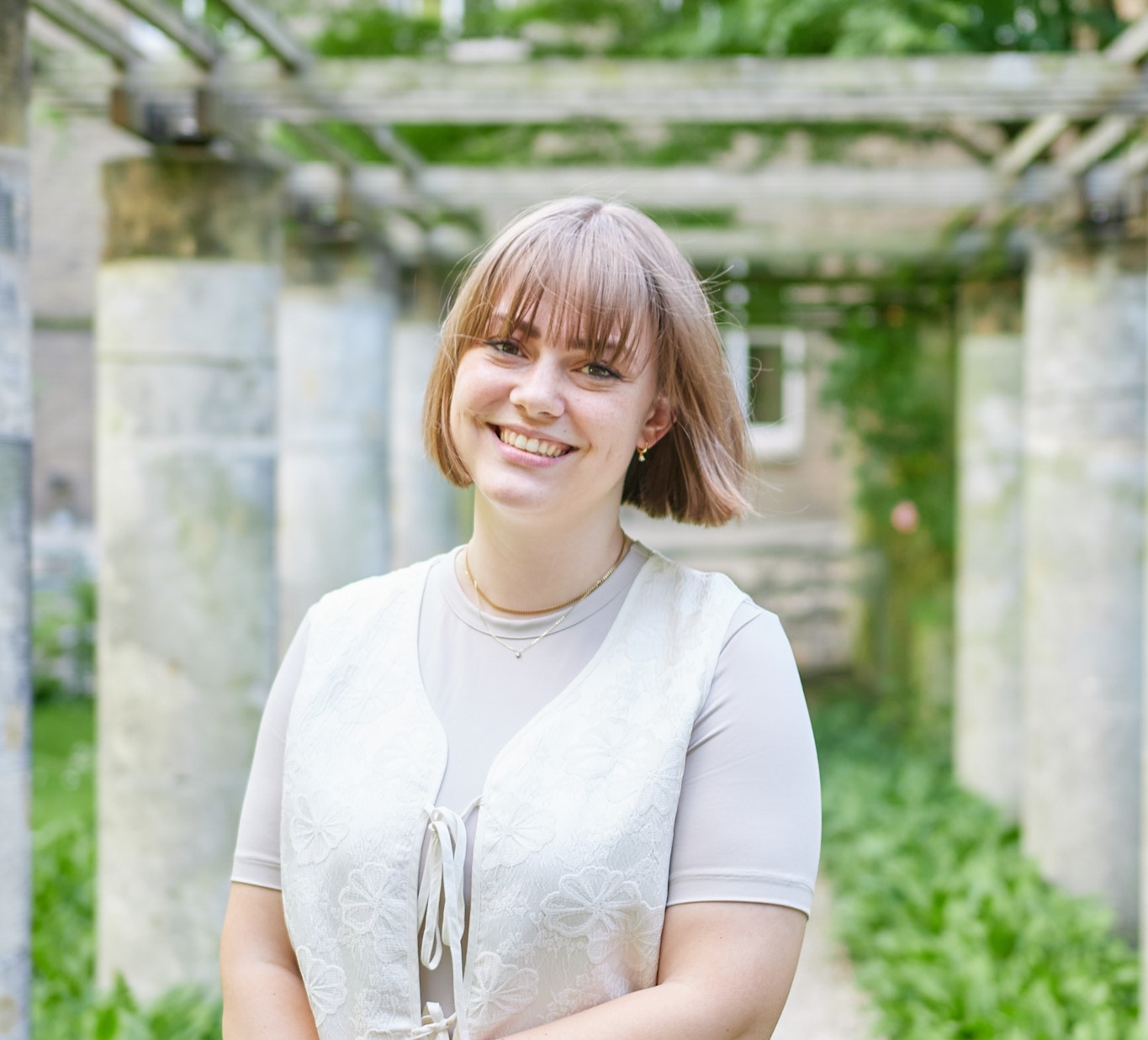
Astrid Bastiaens is originally from Antwerp and she completed her Forensic Psychology Master and her Bachelor in Psychology at UM. During her studies, she was certain that she would want to pursue a PhD in forensic psychology and specifically worked toward this goal. As part of her Masters program, she has completed a research internship at Ashworth High Secure Hospital in the UK. Here, she tested a varied sample of patients for her study and gained insights in the type of patients and psychopathology in British forensic psychiatric hospitals. For her clinical internship, she returned to the Netherlands, to the low-secure forensic psychiatric clinic of Mondriaan. Here, frequent offenders with addiction disorders and comorbid disorders were treated and rehabilitated. She greatly enjoyed the clinical experience and continued to here for an additional 8 months.
However, when her dream of pursuing a PhD position became a possibility at the Law faculty of UM, she decided to return to academic research. Her PhD research focuses on the threat assessment and prevention of terrorist attacks. In her current position, she first-handedly experiences the advantages and disadvantages of being a psychologist surrounded by different backgrounds. Moreover, through her varied (yet short) experiences in clinical research, academic research, and clinical therapeutic work, she can directly compare these different positions. Nevertheless, the choice of what to do after her PhD is approaching quickly as well, and so she will be happy to talk about navigating these past and future career choices with everyone in the session.
Feel free to connect via LinkedIn prior or after the sessions to ask any (additional) questions:www.linkedin.com/in/astrid-bastiaens-3b6210185
------------------------------------------------------------------
Pauline van Gils
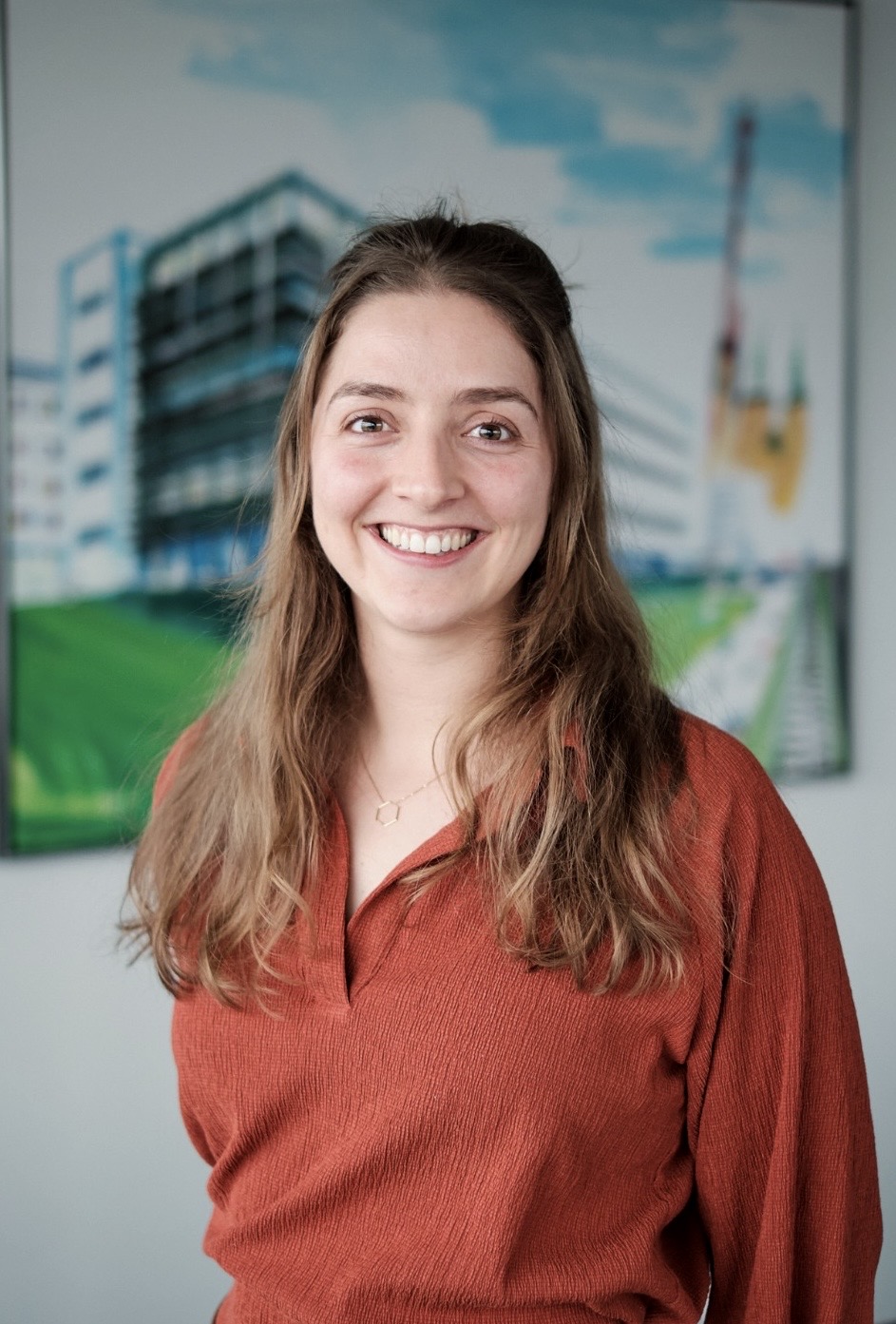
Hi, I am Pauline! After obtaining my bachelor's diploma psychology at Maastricht University I completed the Research Master in Cognitive and Clinical Neuroscience with a specialisation Clinical Psychology (formerly called Psychopathology) in 2020. During this master's program, I learned a lot about research in clinical psychology and gained valuable experience through both a research internship and a clinical internship. This prepared me well for the PhD that I did afterwards at the Limburg Brain Injury Center. This PhD project was a collaboration between Maastricht University and the University of Twente and focused on cognitive recovery after cardiac arrest, a topic that was new to me when I began this four-year journey. Along the way, I learned a lot about this subject and many other aspects of research and clinical practice, including neuropsychological assessment, TMS, MRI, rehabilitation, and collaborating with clinicians and patients. During these five years, I also taught in the Master's program Neuropsychology and supervised several master's thesis projects at the UM. I enjoyed teaching a lot and during my PhD I obtained my University Teaching Qualification (UTQ). After completing my PhD, I spent several months working for Marketing and Communications and the Faculty Board of FPN, as well as taking time to travel. I am now enjoying my current job as a teacher in Clinical Psychology at the University of Amsterdam.
------------------------------------------------------------------
Sebastian Klein
------------------------------------------------------------------
Lea Krapp
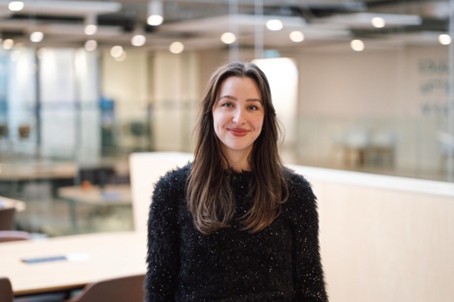
Lea has a passion for human behaviour in the dynamics of the workplace. Her journey began with a Bachelor of Science in Psychology in 2018. Seeking to delve deeper into the intersection of psychology and organisational dynamics, she pursued a Master of Science in Work and Organisational Psychology at Maastricht University in 2022.
Lea embarked on a career path blending psychology and recruitment. Over the past 5 years, she has been dedicated to sourcing, engaging, and hiring top talent, leveraging her expertise to drive organisational success. Her strategic approach goes beyond simply filling roles but rather encompassing the development of comprehensive recruitment strategies and the integration of data-driven methodologies while also coaching candidates through their career processes, enabling them to excel in their next steps.
For the past two years, Lea has worked at LinkedIn as a Talent Acquisition Partner, where she managed hiring for the DACH region, focusing on selecting top-tier talent to drive growth and innovation. She is now embarking on an exciting new chapter, joining Google as a Sales Recruiter, where she will begin her role in February.
Outside her professional life, Lea finds balance through her love for sports and shared adventures with her dog in Ireland.
------------------------------------------------------------------
Linda Olivers
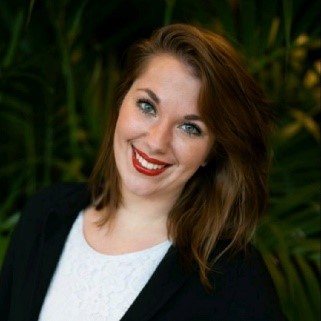
Linda Olivers is a twenty-nine-year-old woman from Maastricht, who has studied Psychology at the University of Maastricht. After her bachelor, she decided to continue with master 'Psychology and Law', because of her interests in Forensics. After a research internship at a forensic facility for youngsters, she decided to do a second master, Mental Health - Children & Youngsters - that offered her the opportunity to interact more directly with children, youngsters and their families. Experiencing the joy that working with this target group brings, she decided to commit herself to a role of psychologist/behavioral scientist. For three years she has worked now at Child Protection Services Maastricht, investigating protective and disturbing factors of influence on the development of (vulnerable) children & youngsters and advising both parents and court on which path to take in order to reach a better well-being.
------------------------------------------------------------------
Ethan Rich
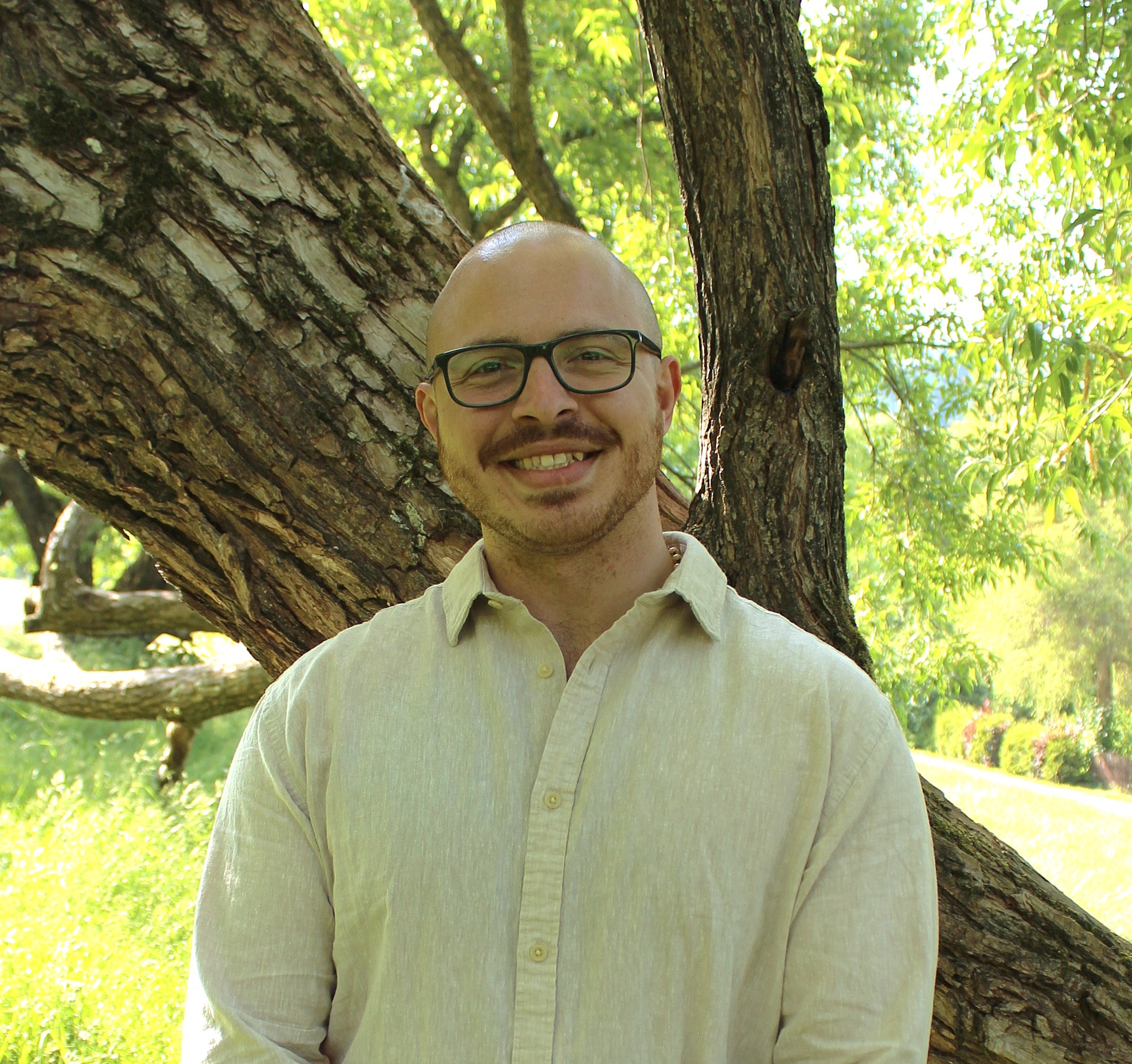
At the moment I'm a total tech bro: software, hardware, local or even cloud-based. Neuroscience requires custom solutions to unique use cases and since my master's in Maastricht I've built it all. I work for a very small company in the lead developing measurement and stimulation devices: EEG, tES, TMS, and much more. We get requests from all over the world from researchers who want to do challenging experiments. Naturally, the requested technology must be sufficiently complex and user-friendly. If you want to find out more, come talk to me.
I wasn't always building technology, though. I have a bachelor's in psychology and then I did the one-year master's in cognitive neuroscience in Maastricht. A truly excellent time, by the way. I found out in that year that I actually enjoy building research tools more than I like doing science. Programming was interesting to me, although it did not come easily. Nothing against my wonderful internship supervisors, Lars and Bettina! Thanks to them I picked up on some good habits and a relaxed attitude. Now I am fortunate enough to have a wonderful job doing what I love.
In my spare time I love to spend time with my wife (whose profile is also somewhere on this page) and I enjoy many hobbies.
------------------------------------------------------------------
Marwin Snippe
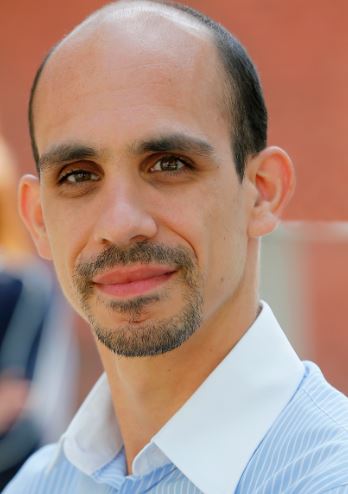
Having received a bachelor's in psychology, he then earned a master's degree focuses on health and social psychology. At a later point, he was employed by CZ, a health insurer, and his work involved analyzing data connected to healthcare fraud. Between 2014 and 2025, he balanced his job with a voluntary PhD program and graduated. The focus of his PhD was self-identity, specifically examining its role in health psychology through the lens of the Theory of Planned Behavior. Presently, he's employed at Sparke & Keane as a data consultant.
He seeks to have a positive influence at work by addressing customer needs, implementing data visualizations, and refining data processes. His interest include mindset, the pursuit of self-improvement, and staying motivated. He is also working on an eBook about job interviews to assist people in increasing their chances of being hired.
------------------------------------------------------------------
Jocelyn Tang
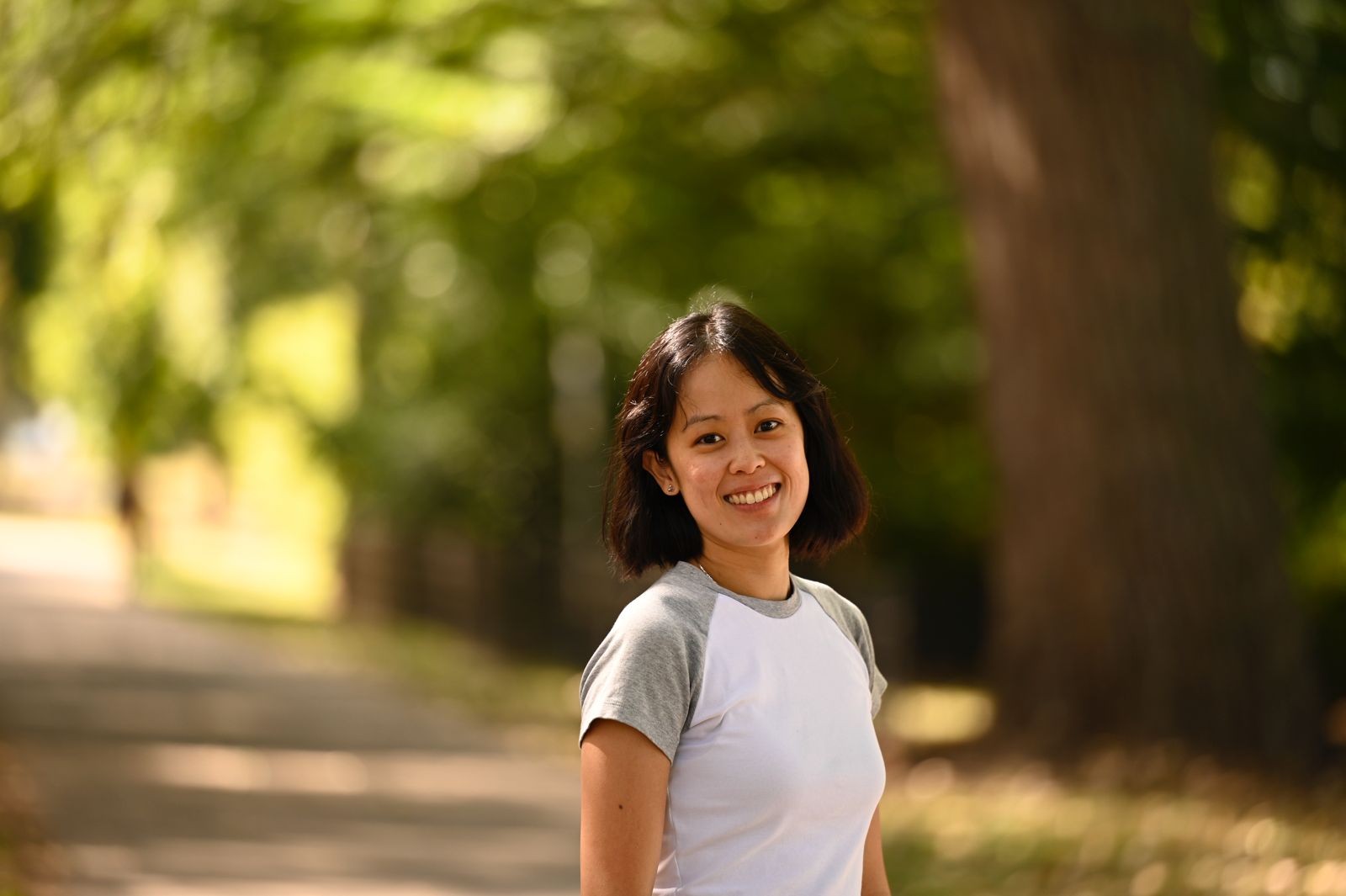
Jocelyn was born and raised in Malaysia where she obtained her Bachelor Sc (Hons) Psychology. She then pursued her master's education in Maastricht University under the Work and Organisational track, graduating in the class of 2016-2017. Passionate about people and data, she is currently in the Global Subject Matter Expert Manager within HR Reward, Digital and Analytics team at Versuni, servicing 45 countries in her scope. In her current role, she works toward delivering modern and intuitive HR system solutions to users across the globe while sharing best practices on maintaining and using people data in the system for evidence-based decision-making. What excites her most about her current role is having the ability to collaborate with people of different backgrounds and cultures, as well as having the autonomy to think outside the box when it comes to building system solutions.
------------------------------------------------------------------
Rochelle Theodora
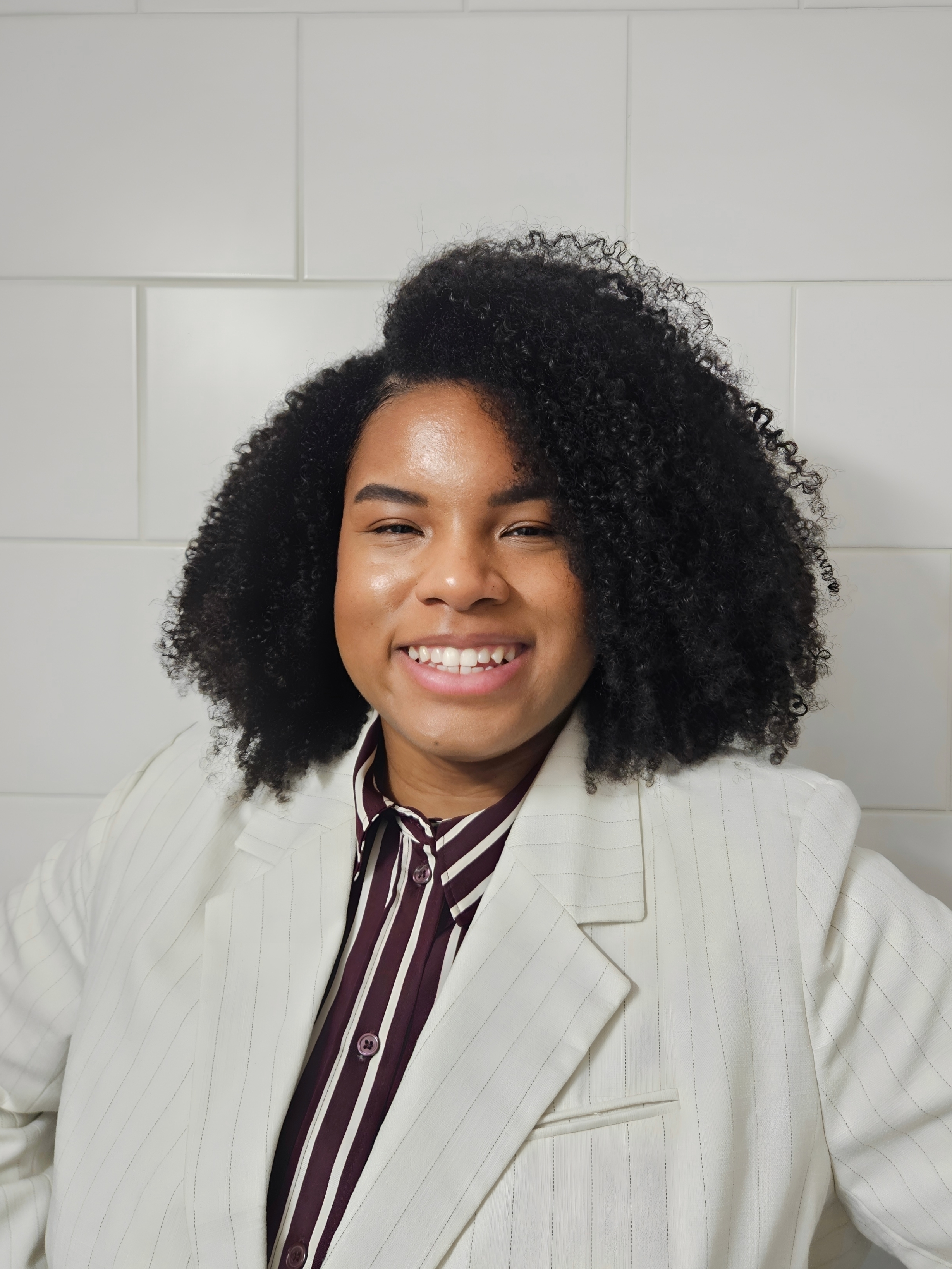
Rochelle works as a Junior HR Consultant at Eprom, a consultancy firm specializing in job evaluations, compensation and other HR-issues. She help organizations create fair and transparant systems through job evaluations, salary benchmarks, and tailored HR advice.
Rochelle completed both her Bachelor's and Master's in Psychology at Maastricht University, specializing in Work and Organizational Psychology. Like many students, she struggled to figure out what she wanted. Her Bachelor's took longer because she felt pressured to become a clinical psychologist or researcher, but neither felt right. Everything changed at a Master's Open Day when she discovered Work and Organizational Psychology. She made a spontaneous switch to this Master's just before registrations ended and still does not regret it. Passion can hit when you least expect it.
After graduation, reality hit hard. Rochelle wanted to fulfill her dream that she had as a Master's student to become a consultant but kept finding only recruitment roles. Instead of settling, she took a bold step: six months off in her native country, Curaçao. That break led to a freelance project that got her back on track and eventually to her current role.
Her first year as a professional? Full of moments where she had to overcome imposter syndrome and navigate work in her third language. After a year of consistently showing up, engaging in training sessions, and attending networking events in the hope of furthering her profession and career, she received a permanent contract. Along the way she learned an important lesson: you are not stuck. Career paths aren't linear, and 'choosing wrong' now doesn't mean forever. She wishes she could tell her younger self that, though she doesn't regret how things turned out since all those experience led her to a job that she's passionate about.
------------------------------------------------------------------
Sophía Thijs
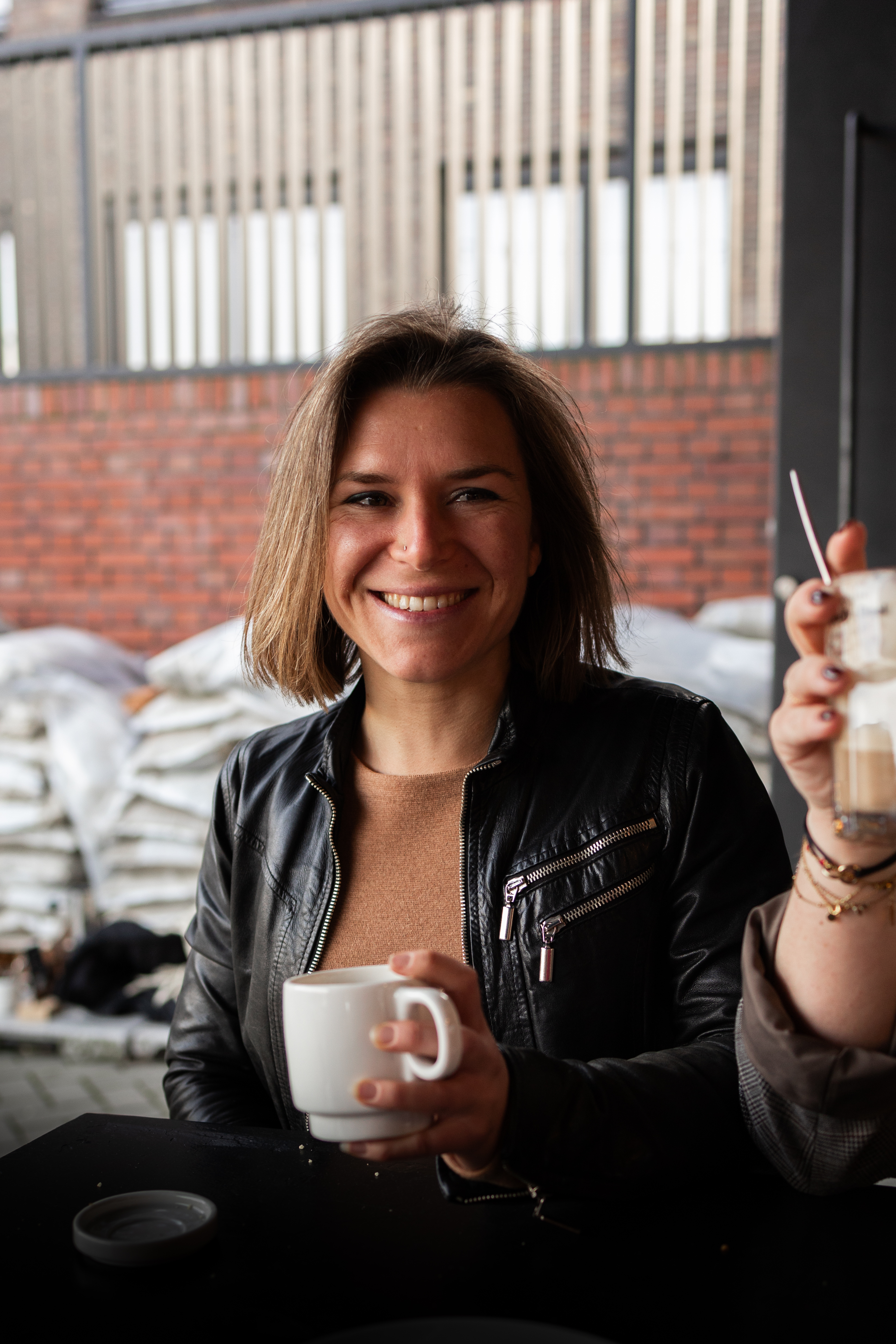
Sophía Thijs is one of the many examples how to have a multi-career path and yet respecting boundaries. She likes to share research's results why it's highly necessary that we need a new definition of 'being successful'. We can all relate to the pressure of graduating, making money and being busy. In 2022 she shared in a TedX it's not only about certificates and achieving goals to feel more successfull and happy. It's more about combing two perspectives at the same time: working towards a goal and being content through other ways of fulfillment while working towards that goal. Example: a professional football player most likely will score more goals per 90 min. depending on other success factors (team cohesion, having fun during trainings or staying resilient during fallbacks).
As a Flemish person she came into the assertive Dutch work culture and started working as a psychologist at the age of 23 by visiting multi-problem families at their homes. The university nourished the sole dogma that it's normal to work as hard ad possible towards a post-master's degree, but she felt like a weirdo because she didn't want to do this. It took years to dare to apply a different method in her work as a psychologist, specifically because she experienced herself what it's like to have mental illnesses within her closed ones; and to depend on professionals. By giving duo-lectures with a student, she shows the power of professional experience and personal affinity.
As a young adult, she found herself wanting to develop other talents besides the prescribed path of working as a psychologist. Now, 13 years later, she balances work between these areas:
- working in her own company Met Sophía. In the latter, she's been guiding students and adults to use exercise and nutrition as long-term solutions to obtain mental & physical fitness. She offers affordable help for students who need help in preventing burn-out or addiction.
- volunteering & training new volunteers of ngo @ease (ease.nl).
- Trying to jobcraft her own job that has nothing to do with psychology ;)
- 1 day of not working; 'living' the life, while devoting time to relationships.
She balances life by expressing herself through singing, hiking and being a creative director in portrait photoshoots.
------------------------------------------------------------------
Bart Zuidberg
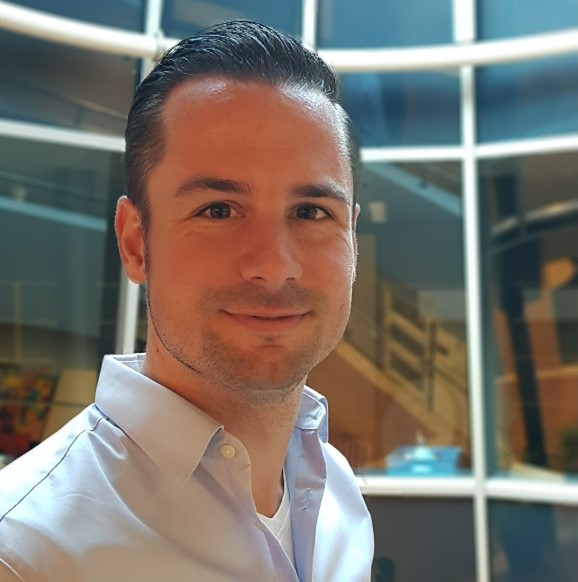
Police work is often about human behavior, their thoughts, decisions and emotions. Psychological knowledge is therefore relevant in a large part of police work. Bart Zuidberg works an an investigative psychologist for the Dutch police. Investigative psychologist apply their knowledge in the police operation. Practical examples are interrogation advice, risk assessment, assessment of reliability of statements and evaluate behavior on a crime scene.
2003 - 2007 Bachelor Cognitive Psychology - Maastricht University
2007 - 2008 Master Psychology and Law (Legal Psychology) - Maastricht University
2008 - 2012 Master of Criminal Investigation - Dutch Police Academy
2012 - 2016 Detective in multiple criminal investigations - Dutch Police
2018 - 2019 Postmaster education investigative psychologist - RINO Group
2016 - now Investigative psychologist - Dutch Police
------------------------------------------------------------------
online alumni perspectives Mei 2026
 Registration website for online alumni perspectives Mei 2026
online alumni perspectives Mei 2026alumni-fpn@maastrichtuniversity.nl
online alumni perspectives Mei 2026alumni-fpn@maastrichtuniversity.nlhttps://www.aanmelder.nl/online-alumniperspectives-march2026/subscribe
2026-03-05
2026-03-05
OnlineEventAttendanceMode
EventScheduled
online alumni perspectives Mei 2026online alumni perspectives Mei 20260.00EUROnlineOnly2019-01-01T00:00:00Z
Maastricht UniversityMaastricht UniversityMinderbroedersberg 4-6 6211 LK Maastricht Netherlands